
Urban Parking Ecosystem
Mapping the invisible system behind everyday parking friction in Indian cities
We set out to understand how drivers, enforcement officers, and city officials experience the realities of parking in Indian cities. Instead of designing a product right away, this project focused on mapping the ecosystem, uncovering the root problems, and identifying where design could actually make a difference.
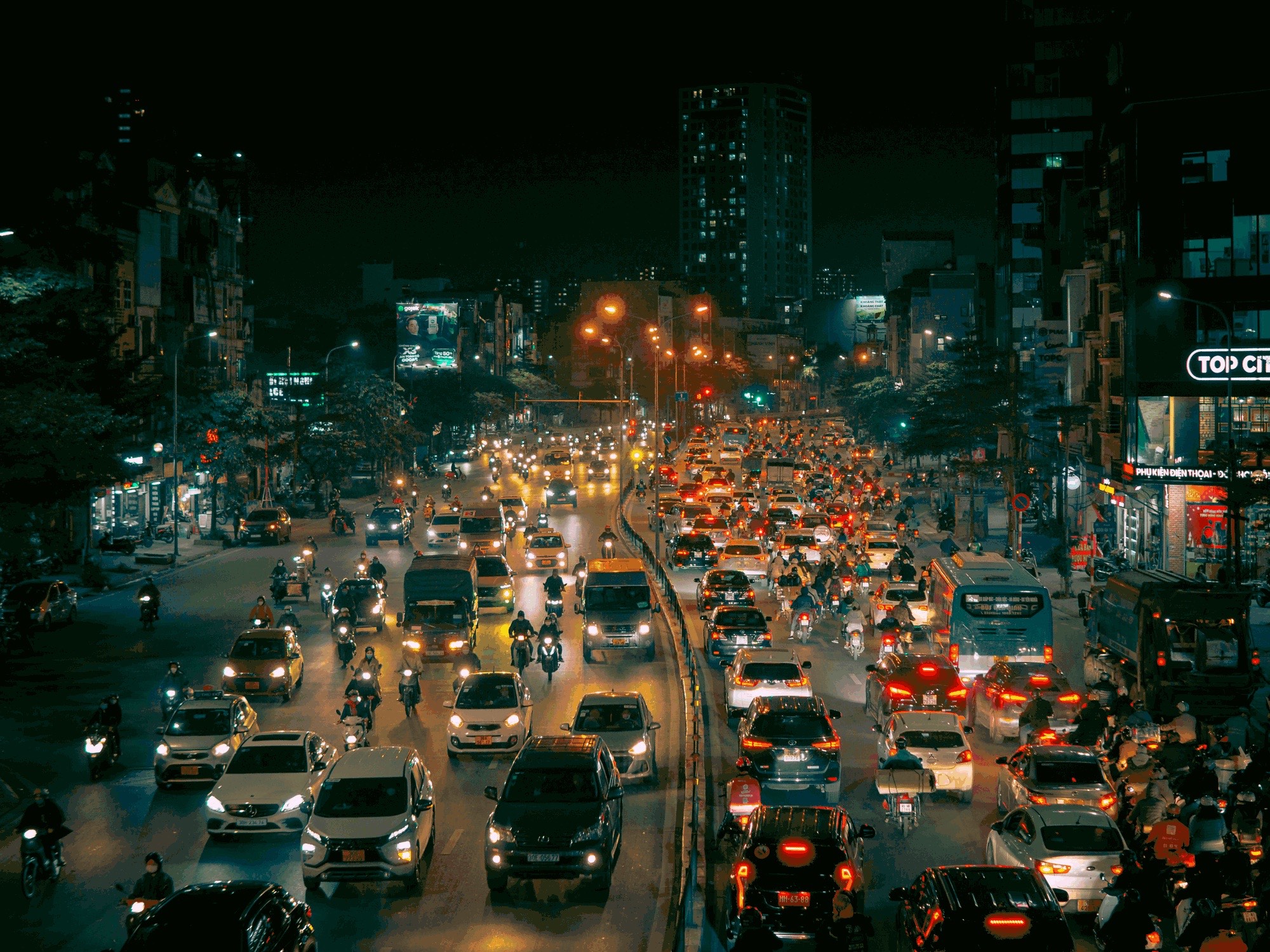
Where Parking Breaks Down
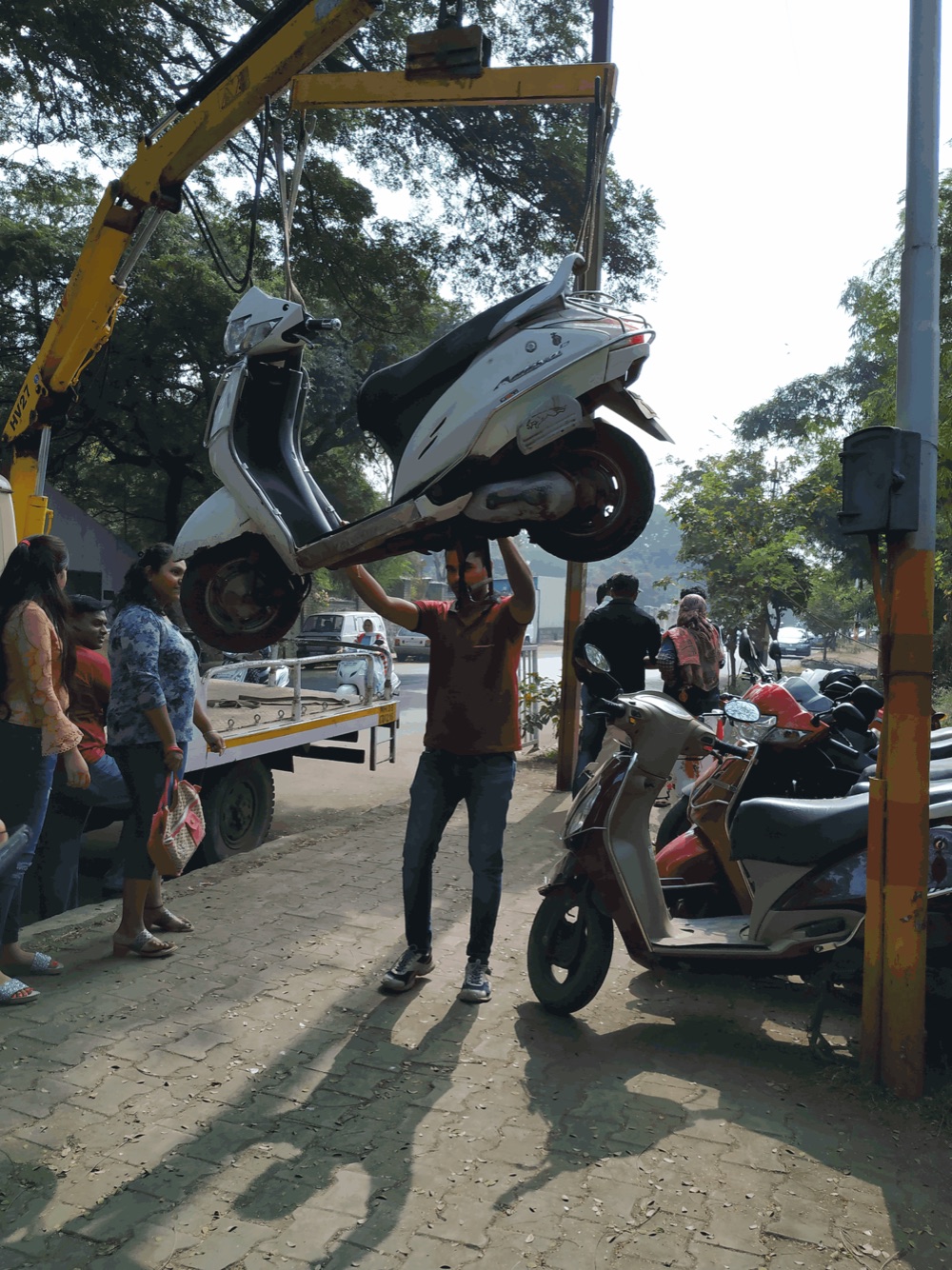
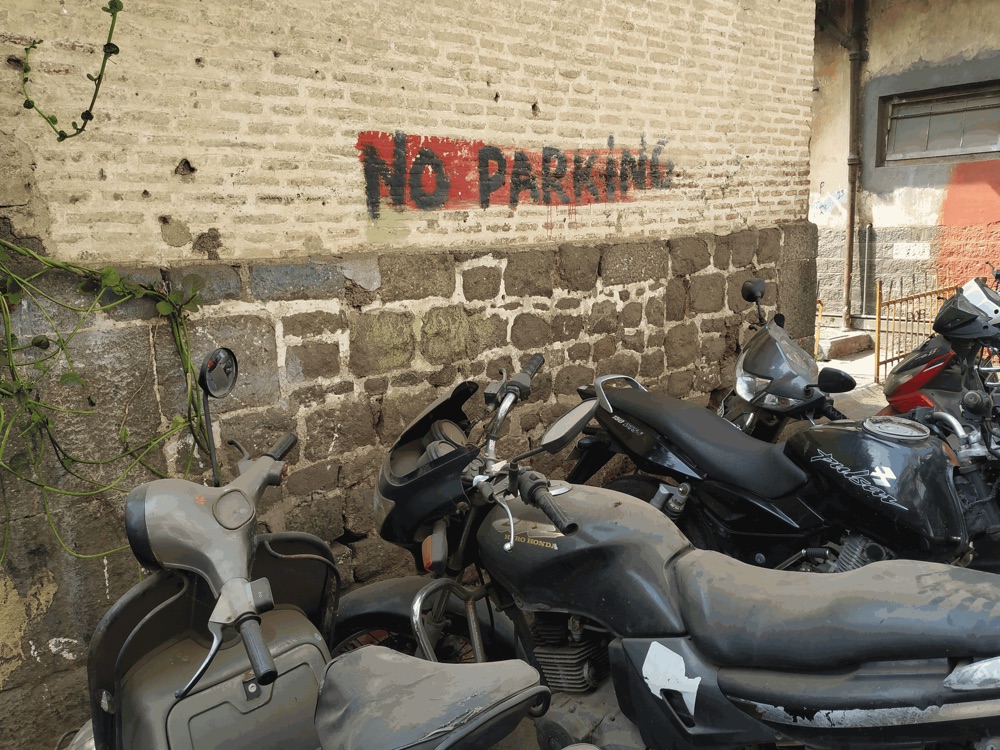
Picture pulling into a crowded street. The no-parking sign is half scratched, two cars are already squeezed in illegally, and a tow truck is circling nearby. You hesitate, unsure if it's worth the risk to park.
That moment of uncertainty plays out millions of times every day. The effects ripple far beyond one driver's frustration — it causes congestion, wasted fuel, lost time, and stress for both citizens and enforcement officers.
Urban parking in India is a messy, interdependent system. Drivers lack clear or delayed signage and constant anxiety about legality. Enforcement officers spend hours patrolling fixed routes, often with no way to know where violators are building up. Traffic police lack real-time visibility, and cities operate under tight resource constraints.
The question guiding this project was simple: Where can design have the most meaningful impact in this ecosystem?
33 mins
Average time taken to travel 10 km (6.2 miles) in Pune
7,300+
Cars towed for parking disputes in India (per day, first half of 2023)
500,000
Illegal parking citations in Mumbai (in first half of 2023)
Untangling the System
Getting Into the Field
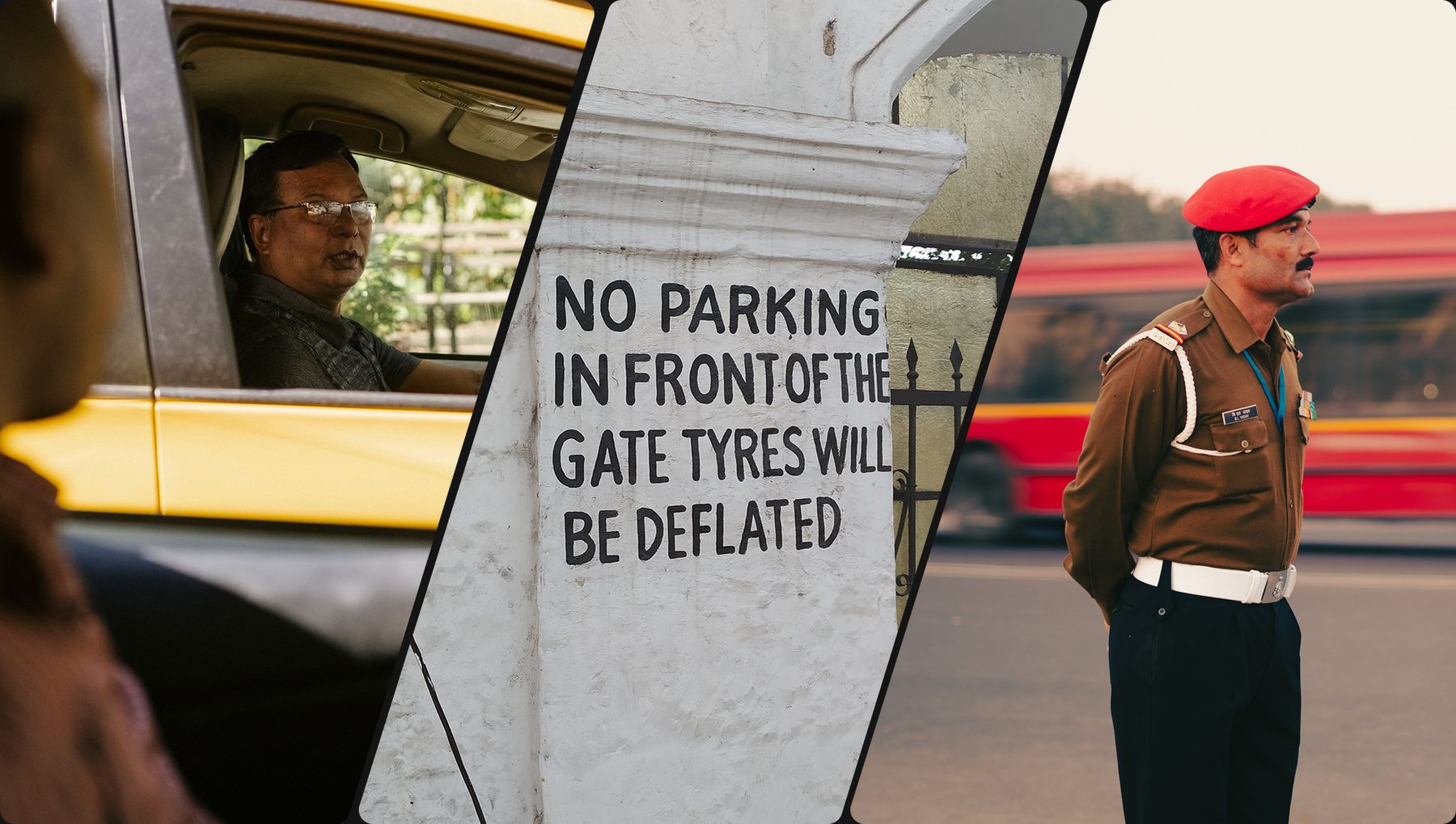
We began by conducting on-ground observations in busy urban neighbourhoods to understand real parking behaviors, identifying friction points like lack of real-time availability and inefficient search patterns. We supported this with daily commutes, delivery drivers, and residents to uncover their real frustrations, and performed a competitive analysis of existing parking apps to spot gaps in reliability, trust, and usability.
Finding Where It Breaks
Using affinity mapping, we synthesized research findings to cluster key pain points around discovery, payment, and navigation. We mapped user journeys to visualize where breakdowns occurred and identified "moments of stress" that could be transformed into design opportunities. These insights helped us frame the core problem statement and define focus areas for design exploration.
What's Actually Broken
Through on-ground research and analysis, we identified three systemic issues that shape the urban parking experience. Signage is often inconsistent, making it difficult for drivers to determine whether a space is legal until it's too late. Enforcement is largely reactive, with tow trucks following fixed routes instead of responding to real-time demand. And municipal resources are stretched, making it challenging for cities to sustain high-tech solutions such as sensors or CCTV monitoring.
What We Learned
- Parking needs to be treated as a multi-stakeholder experience, not just a driver convenience.
- The current approach is reactive and punitive, rather than preventative and informative.
- True impact will come from small, scalable interventions that balance empathy, efficiency, and feasibility.
Three Ways Forward
Rather than focusing on a single "solution," I explored three possible directions, framed as What if questions.
What if drivers had clarity before they parked?
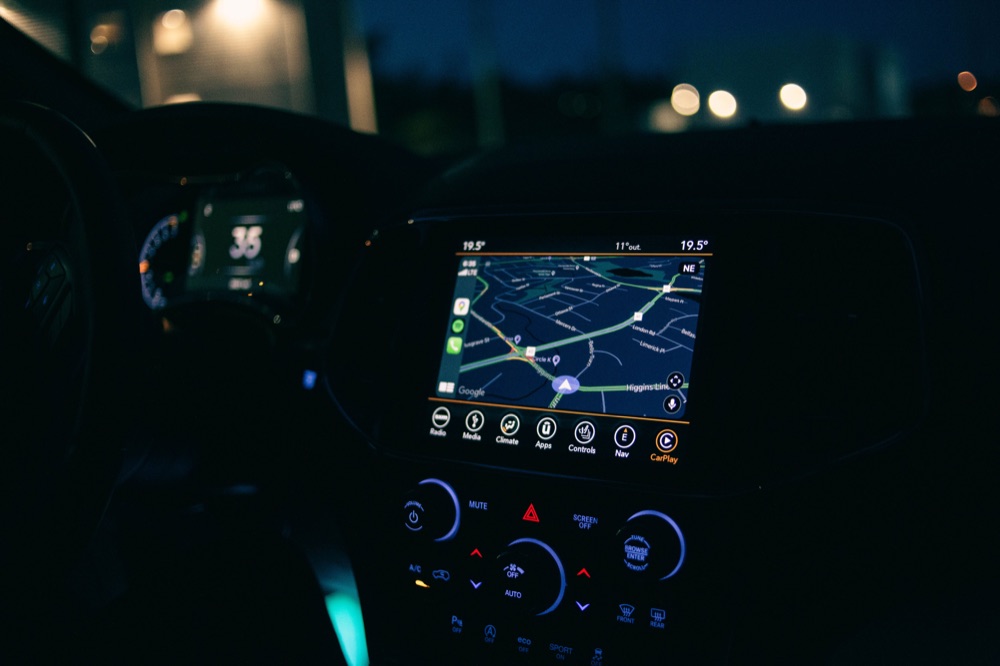
A mobile tool could highlight legal zones nearby, easing anxiety and reducing accidental violations.
Trade-off: Depends on accurate, regularly updated data.
What if enforcement officers had better data?
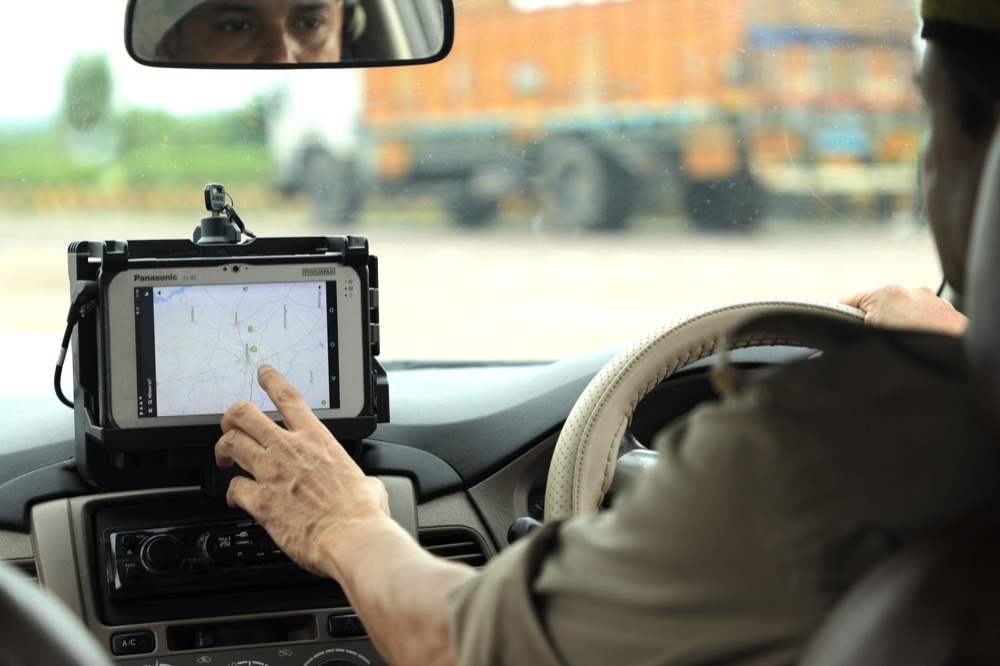
A centralized dashboard could optimize patrols and improve transparency.
Trade-off: Requires city-level buy-in and training.
What if violations could be prevented altogether?
Smart signage or geo-based alerts could discourage illegal parking before it happens.
Trade-off: High cost and maintenance complexity.
Each direction addresses one pain point but introduces its own constraints. Together, they form a roadmap for how cities could evolve their approach to parking over time.
What It Means for Cities
- There's no single perfect fix, the problem requires layered solutions.
- The most practical starting point is a driver clarity, which offers quick wins with minimal investment.
- Over time, enforcement tools and preventative infrastructure can be added to scale impact.
- Clear success metrics should focus on reduction in violations, improved officer efficiency, and increased public confidence.
Looking Back
This project reminded me that not every design challenge ends with a polished screen. Sometimes the most valuable contribution is mapping the landscape, identifying leverage points, and defining what success could look like before designing anything.
That moment of hesitation on a busy street, deciding whether to park or move on, represents a much larger system of uncertainty. Working on this project strengthened my belief that design can bring clarity not just to interfaces, but to complex human systems.
Looking Ahead
This project was based in Pune, where the problem was almost the opposite of too much surveillance. Traffic police were stretched thin and enforcement stayed reactive simply because there weren't enough resources to be anything else. But it's worth looking at where that road can lead once resourcing stops being the constraint.
In the US, cities have started installing automatic license plate reading cameras at intersections and entry points. These cameras photograph every car that passes, log the plate, time, and location, and store it in a searchable database that police can pull from, often without a warrant. They were pitched as a way to catch stolen vehicles, but they've quietly turned into something closer to general surveillance, able to track where a specific car, and therefore a specific person, has been over weeks or months.
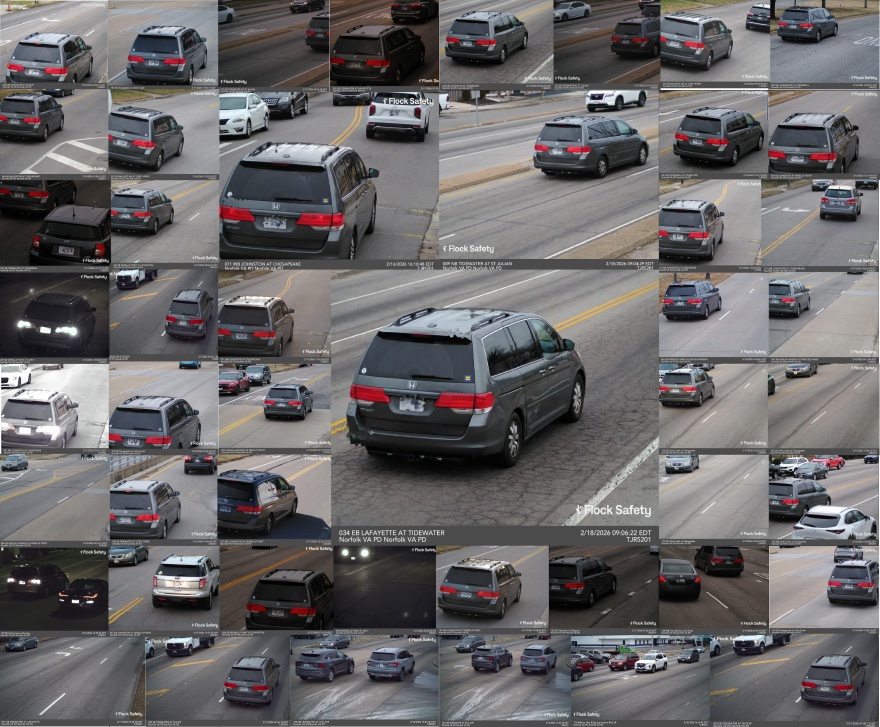
That hasn't gone unquestioned. Privacy groups and several cities have pushed back, arguing that logging everyone's movement by default, without any suspicion or consent, is very different from catching a violation as it happens. It creates a permanent record of what innocent people are doing every day just to catch the rare violator.
It's a pattern worth being cautious of, even from a Pune context. Enforcement that starts out reactive tends to solve its resourcing problem by going broader instead of getting smarter, once the infrastructure exists to do it. But the answer was never just watch more, more often. If Indian cities eventually close this resourcing gap, the interventions that respect the people they're built for should be personal instead of mass, and built to help someone make a better decision before something happens rather than build a case against them after.